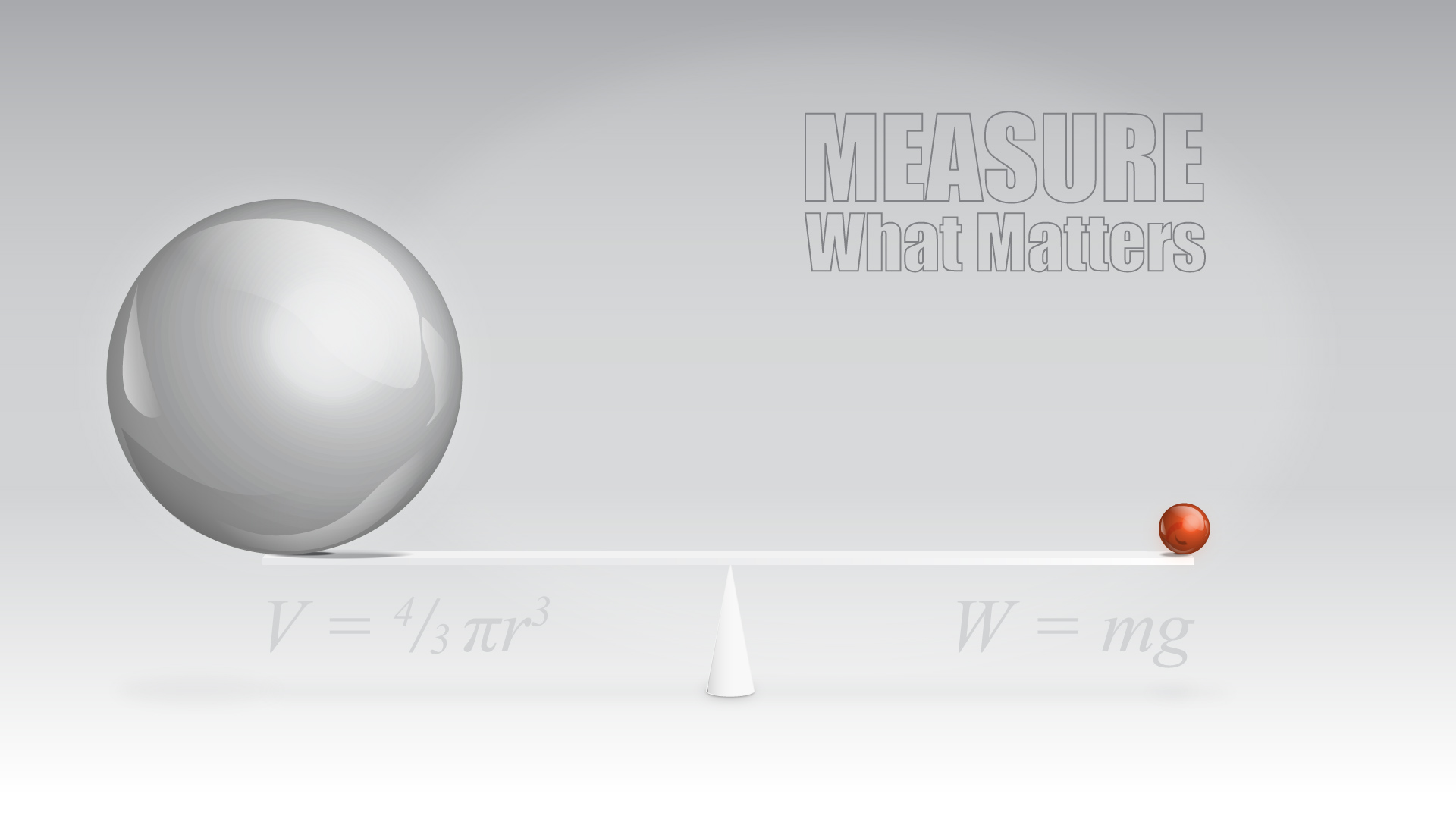
Use the Right Tool
Different weighing tasks require different levels of capacity, precision, and durability. A tabletop scale with medium capacity and fine gram graduations may be perfect for office or light‑duty use. Meanwhile, warehouse associates benefit from high‑capacity platform scales designed to handle larger packages and heavier loads. Using the correct weighing device is not just a convenience — it directly impacts accuracy, efficiency, and operational productivity.
Before purchasing a scale, buyers should review their daily weighing tasks and identify the specific requirements of their environment. This involves asking the right questions to set proper capacity and resolution, align platform and item sizes, avoid mis‑specifying equipment, choose an environment‑appropriate scale, confirm legal‑for‑trade needs, and ensure long‑term performance.
- What is the typical weight range?
- The lightest item to weigh
- The heaviest item to weigh
- Fine precision or larger increments
- What weighing units are required?
- Grams, kilograms, pounds, ounces
- Other specialized units
- What is the size and shape of the items?
- A compact platform for small items
- A wide and stable weighing surface for large boxes
- Where will the scale be used?
- Office
- Warehouse
- Laboratory or classroom
- What environmental factors may affect performance?
- Temperature fluctuations
- Humidity and water exposure
- Dust or debris
- Vibration or unstable surfaces
- Is “Certified‑for‑Trade” verification required?
- Retail and commercial transactions often require it
- Industrial or internal‑use applications may not
- What is the available budget?
- Entry‑level scales for SOHO use
- Mid‑range scales for small businesses
- Professional‑grade scales for industrial or lab applications
By gathering the information outlined above, buyers can accurately assess their weighing requirements, streamline the scale‑selection process, narrow their options, and confidently choose a digital scale that delivers the right balance of accuracy, durability, and value.
Postal Scales
Practical medium-capacity digital scales. Lower minimum weight requirement and a relatively small division, as known as readability or graduation. Typical postal scales have 30-50 kg max capacity, 1-2 g division, a small footprint, and are easy to set up on a tabletop. They support faster routine weighing tasks in mail rooms, offices, packing stations, and shipping departments. For example, weigh letter mails, documents, courier envelopes, and small-size packages to determine their postage for delivery. Some models have extra convenience features such as simple piece counting and price calculation.
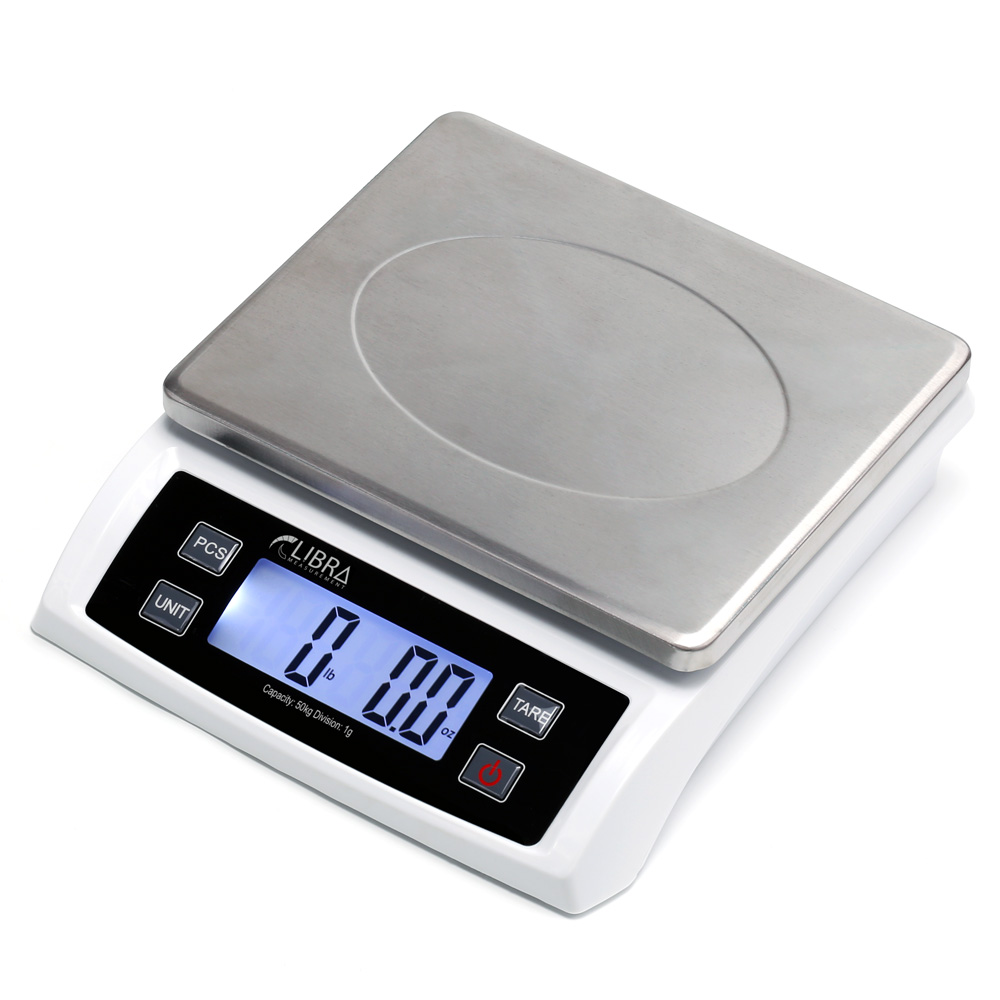
P30W
Capacity: 50 kg
Division: 1 g
Units: kg, g, kg:g, lb, oz, lb:oz
Platter: L18xW22 cm
Read more
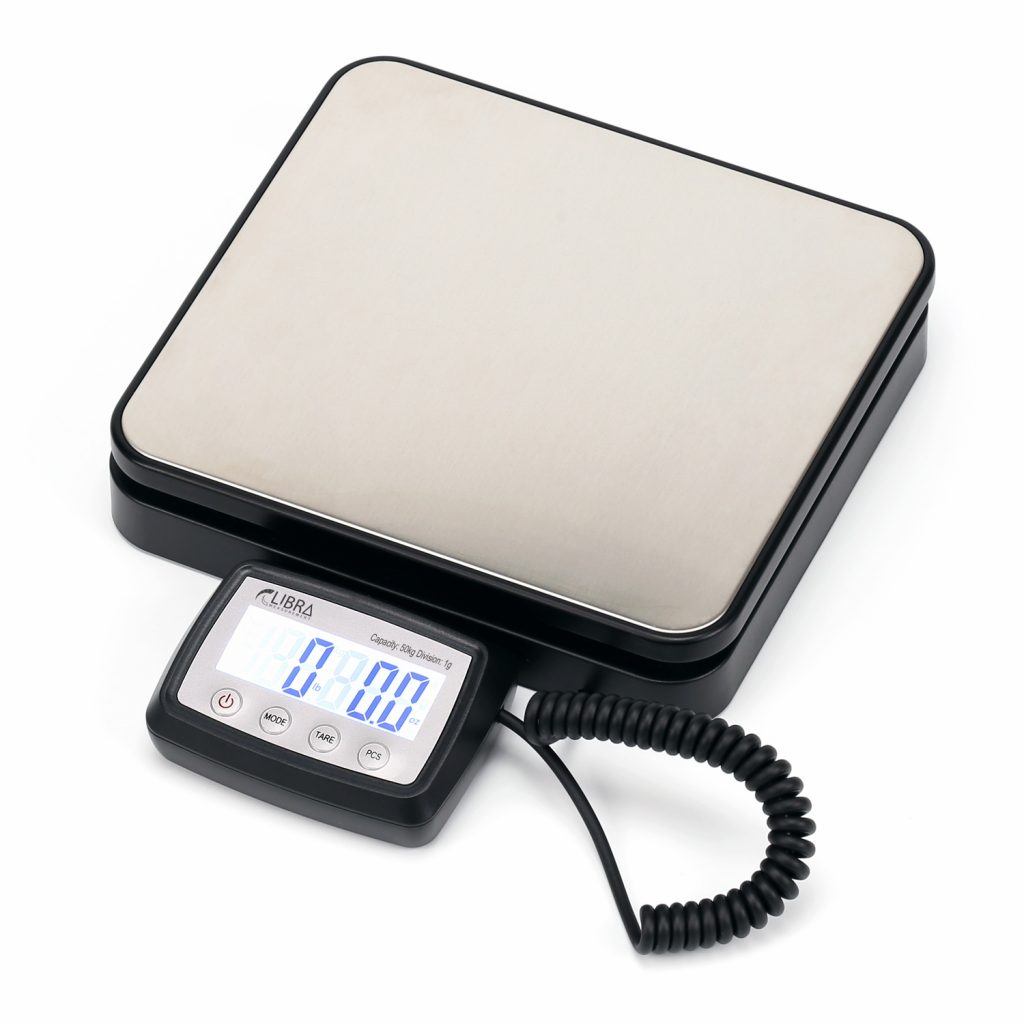
P50CM
Capacity: 50 kg
Division: 1 g
Units: kg, g, kg:g, lb, oz, lb:oz
Platter: L18xW20 cm
Read more
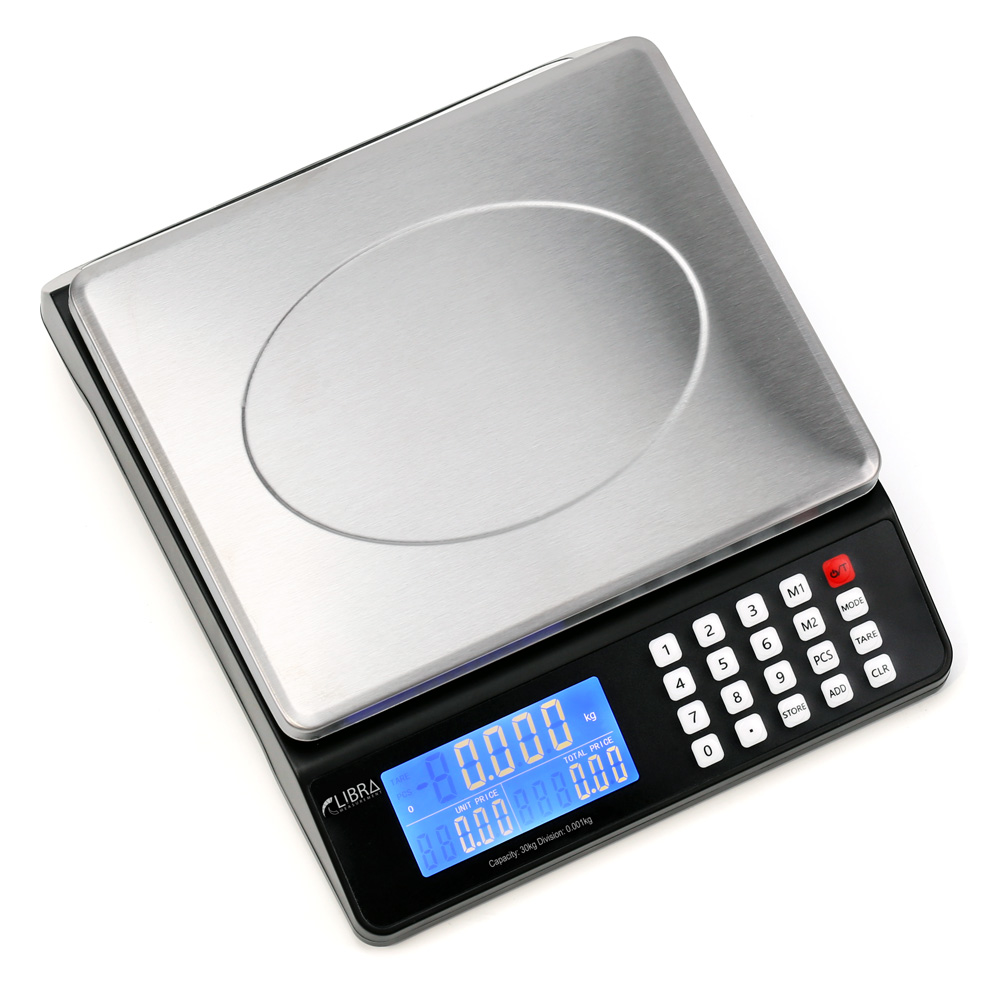
PPC30W
Capacity: 30 kg
Division: 0.001 kg
Units: kg, lb
Platter: L18xW22 cm
Read more
Shipping Scales
Heavy-duty digital scales come with larger capacity but higher minimum weight requirement and a coarse division, also known as readability or graduation. Typical shipping scales have 100-300 kg max capacity and 0.05-0.1 kg division. Medium to large platter sizes can support larger boxes and parcels in a warehouse and shipping / receiving department to verify weights, postage, and shipping costs. Usually, they come with external indicators for easy observation of weight readout when measuring oversized and bulky items. Some models have optional data ports to communicate with external computers and to minimize manual data input errors.

S200W
Capacity: 200 kg
Division: 0.05 kg
Units: kg, lb, lb:oz
Platter: L31xW39 cm
Read more
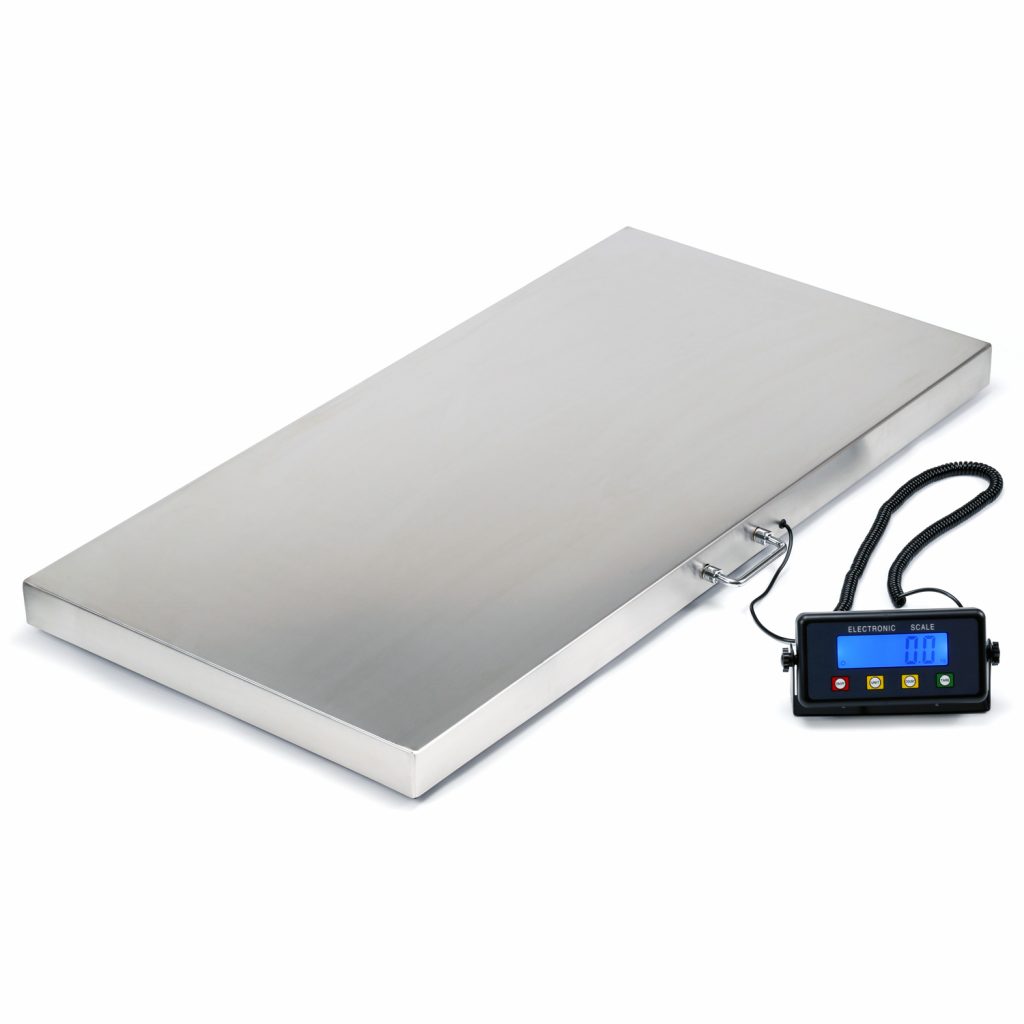
S500W
Capacity: 500 kg
Division: 0.1 kg
Units: kg, lb, lb:oz
Platter: L50xW100 cm
Read more
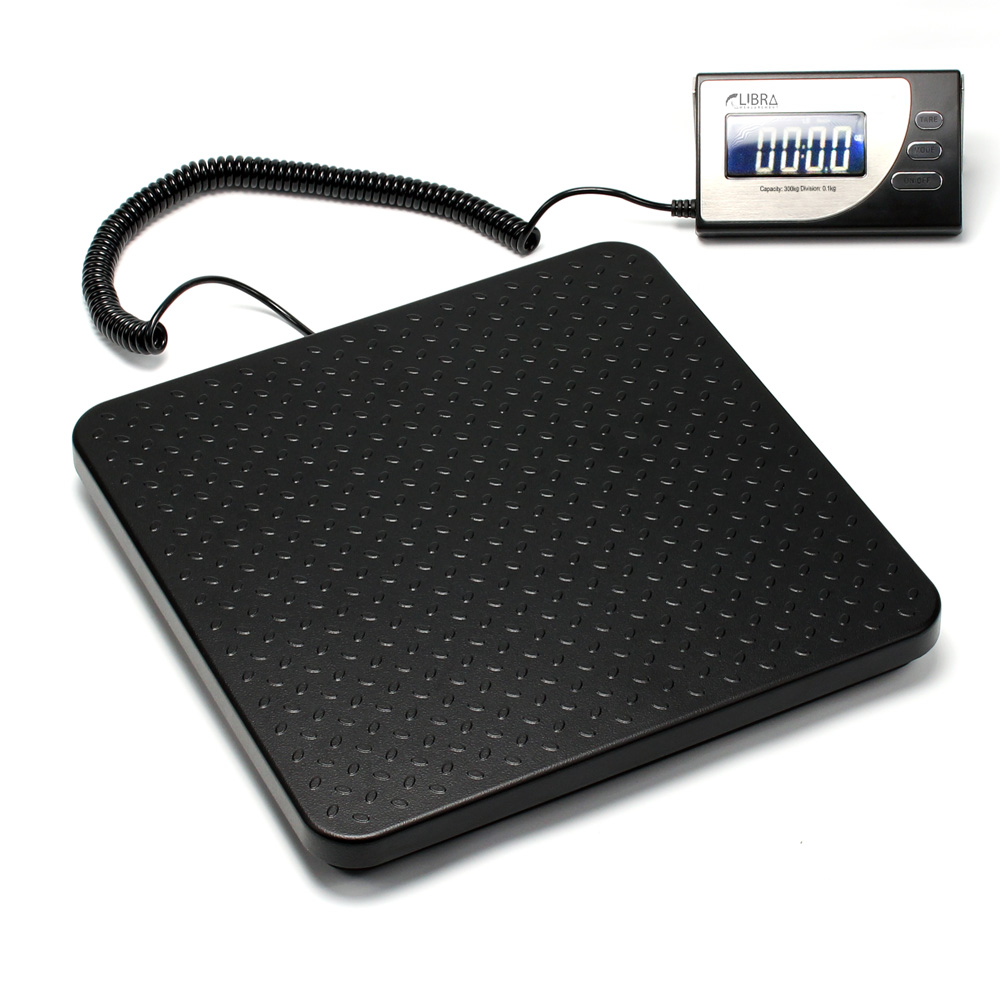
S300
Capacity: 300 kg
Division: 0.1 kg
Units: kg, lb, lb:oz
Platter: L30xW30 cm
Read more
Lab Balances and Scales
They are precise, sensitive, and delicate digital weighing instruments with relatively small capacity, low minimum weight requirement, and finer division, also known as readability or graduation. Typical lab balances and scales have 100-2000 g max capacity and 0.01-0.001 g division. Most models usually fit with a protective windshield against external environmental influences to improve general weighing performance. They support specialty weighing applications such as standard sample preparation, formulation, quality control, and testing in labs and manufacturing environments.
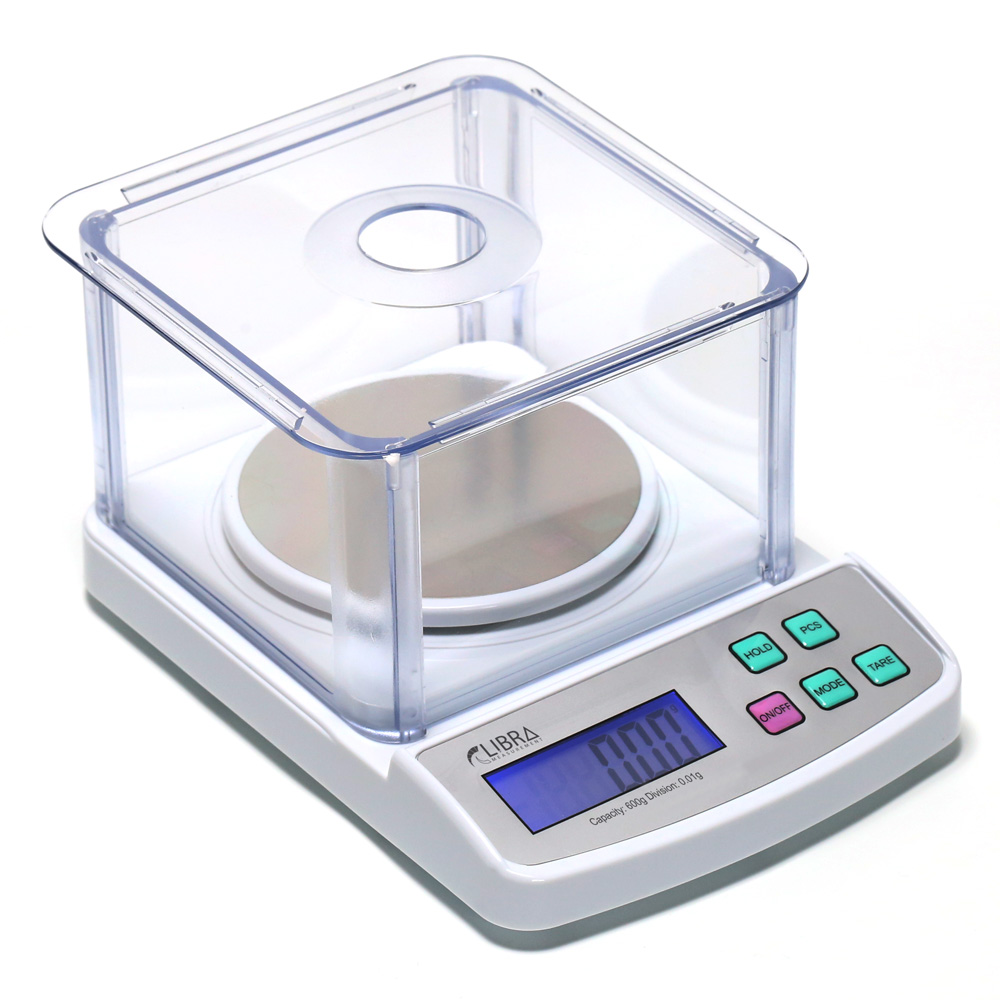
L600
Capacity: 600 g
Division: 0.01 g
Units: g, lb, oz
Platter: Ø12 cm
Read more